Salsa Classes in Las Vegas
Salsa is the biggest program in the studio: nine classes a week across six formats, covering the full arc from your first basic step to On2 mambo, Cuban rueda and cardio. If you searched for salsa classes near you, this page is the whole map. Which class fits you, when it runs, and how to try it free.
The Salsa Program, Not a Salsa Class
Most Las Vegas studios run a salsa night. We run a salsa program: a leveled ladder from never-danced to intermediate, plus dedicated rooms for cardio, solo technique and Cuban rueda. That is nine classes a week under one roof, all taught on the same counting system, so what you learn in one room works in every other.
The leveled classes teach LA style (On1), the timing that plays on nearly every floor in this city, so what you learn here works at any social, wedding or club in Las Vegas. Every partner class rotates, so booking alone is normal, and on the third Saturday of every month the social night turns the studio into the floor where it all gets used.
Classes run weeknight evenings between 6:30 and 9:30 PM plus Saturday mornings. Your first group class is free; after that, pricing depends on the package you choose, and we walk you through the options once you know how often you want to dance.
The starting point
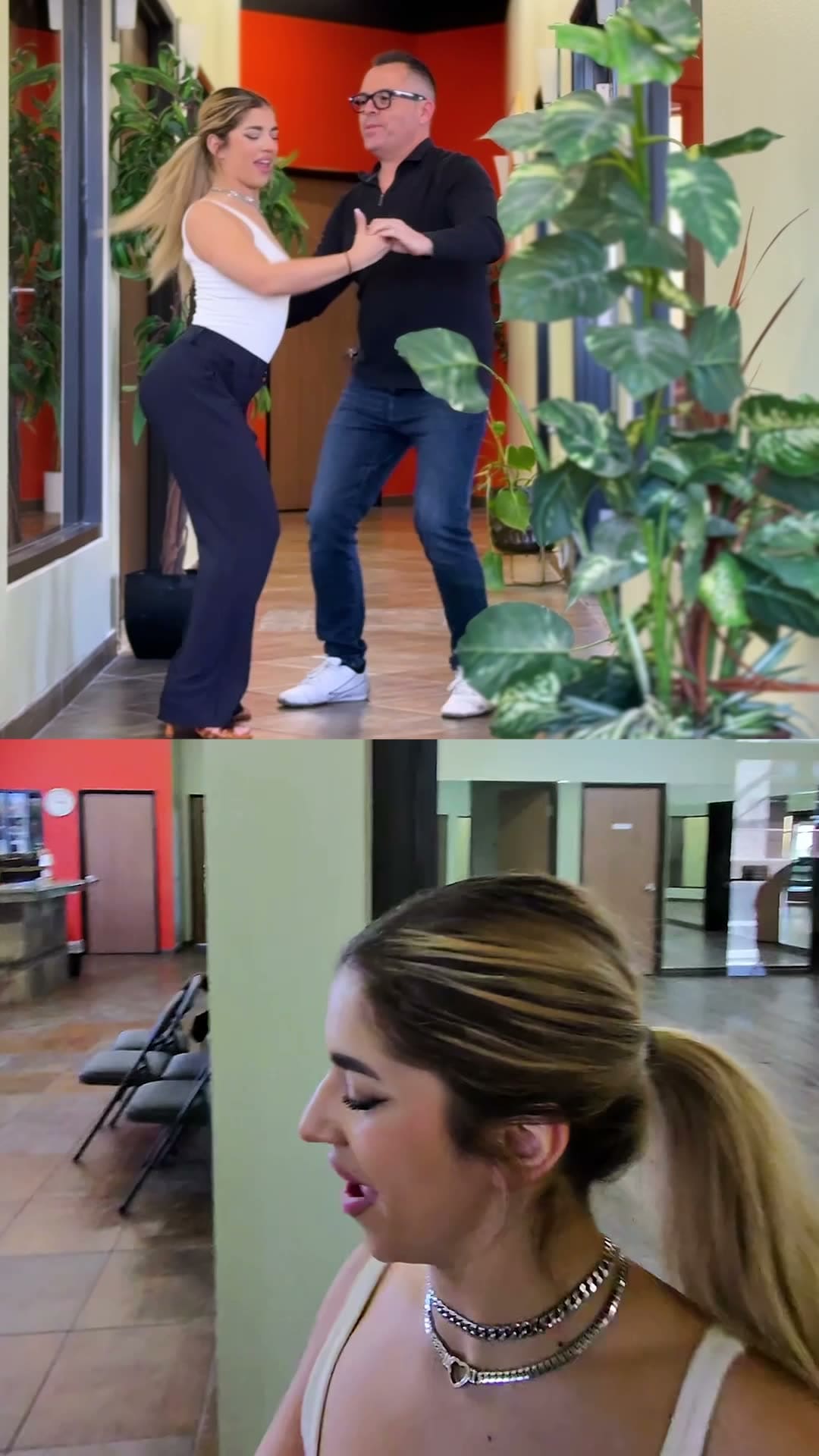
Salsa Level 1
Salsa Level 1 is the structured beginner class that takes you from "I have no idea what to do with my feet" to dancing a full song with a partner. Over 50 minutes you learn the salsa basic step, the cross-body lead, the right turn for both lead and follow, and how to hear the salsa count without having to count out loud. No partner required, no experience required, no awkwardness. Just a clear curriculum taught by working pros in a room that is warm and beginner-first.
You will learn the side basic, the back basic, the cross-body lead, the right turn for both roles, and a clean prep-and-execution that does not yank or surprise your partner. We layer in musicality, finding the "one" and choosing moves that match the song, and you finish class dancing a full song with a rotating partner so the skills stick before you walk out the door.
Level 1 is the prerequisite for Level 2 below, and the curriculum is built so every skill here shows up directly in the next level. Instructors give individual corrections every class, partner rotation builds adaptability fast, and the small cap means you are never lost at the back of the room.
After Level 1 clicks
Salsa Level 2
Salsa Level 2 is where social dancers stop counting in their head and start actually dancing. Built for Level 1 graduates and dancers already comfortable on the floor, this room layers in multi-turn combinations, clean shines, cross-body variations and the kind of musical phrasing that separates a good night from a great one. The pace is honest and the corrections are real.
Expect cross-body lead variations, hammerlocks, copas, double turns for both roles, and shines you can drop into the middle of a song. We drill musicality, hitting breaks and choosing moves that match the moment, while leads sharpen their signaling and follows sharpen spins and balance. Every drill is designed to translate to the social floor, not just look good in the mirror.
The room keeps a tight cap so partner balance and feedback stay personal, and most dancers in it are hitting socials weekly. Pair it with Rueda de Casino the same night and you have a full social-skills upgrade in one evening.
Solo work, any level
Salsa Technique
Salsa Technique is the class that separates dancers who feel okay on the floor from dancers who look and feel like they belong there. It is a solo session, no partner needed, focused entirely on what your own body is doing: the clean step, the silent landing, the shoulders that stay quiet while the hips do the talking.
Expect timing drills to lock in the 1-2-3, 5-6-7 count, weight-transfer reps that quiet your upper body, isolations for hips, ribs and shoulders, and styling layers you can use the moment you partner up. We also break down the foot patterns you will meet in every other salsa room on this page, so when you walk into Level 1 or Level 2 your body already knows what to do.
By stripping the partner away, technique class removes every excuse and puts the work inside your own body, which is where real dancing lives. Instructors give individual corrections and mirror-check posture in real time. Dancers who string Technique and Level 1 together on the same night progress noticeably faster.
The timing
On1 vs On2, and How to Hear the Difference
Two numbers cause more confusion than anything else in salsa. You do not need to settle the question before your first class: every beginner here starts On1 and nobody will ask you to choose.
Salsa is counted in eights, but you only step on six of them: 1, 2, 3, pause, 5, 6, 7, pause. Every style shares that. The argument is only ever about which beat carries your break step, the forward-and-back step that marks the beginning of the pattern.
On1 puts the break on beat 1. You step forward exactly when the downbeat lands, which is the easiest moment in the music to find. It is the beat you would clap on without being taught, which is why nearly every beginner class in the country, including ours, starts here.
On2 moves the break one beat later, onto beat 2. It feels strange at first and then it clicks, because beat 2 is where the conga's tumbao speaks, the drum you feel rather than count. Dancers who switch often say On2 makes them feel like they are dancing with the percussion instead of on top of it. Nothing about the footwork changes. The whole difference is where the break lives.
How to hear it: find the bassline and the congas rather than the melody. If your forward step lands with the big obvious pulse, you are dancing On1. If it lands a beat after that pulse, sitting in the drum, you are On2.
One practical note that matters more than the theory: pick what the room you want to dance in picks. Salsa is a partner dance, and timing is the one thing partners have to agree on. In Las Vegas the social default is On1, which is where our beginner rooms live, and we teach On2 as well for dancers who want the New York feel.
The Two Rooms With Their Own Pages
A sweat-first workout and the Cuban circle. Both sit outside the leveled ladder.
A workout, not a partner class
Salsa Cardio
Nonstop salsa, mambo and reggaeton choreography set to Latin music. No partner, no counting out loud, and it doubles as conditioning for everything else on this page.
View classCuban salsa, in a circle
Rueda de Casino
Salsa as a team sport: a caller sings the figures and the whole circle executes, swapping partners on the fly.
View classSalsa Classes Near You
The studio sits at Fort Apache and Patrick in southwest Las Vegas, just off the 215. Students drive in from Summerlin (15 min), Henderson (25 min), North Las Vegas (30 min) and everywhere between. Free parking directly outside the door, every night.
Salsa classes run weeknight evenings and Saturday mornings. Check the weekly schedule for exact days and instructors, and read what the basic salsa steps actually are if you want a head start before night one.
Salsa Questions, Answered
Where are your salsa classes located?
At 6070 S Fort Apache Rd Ste 200, at Fort Apache and Patrick in southwest Las Vegas, about 10 minutes from the 215/Tropicana interchange. If you searched for salsa classes near you from Spring Valley, Summerlin, Henderson or anywhere in the valley, we are typically a 10 to 30 minute drive with free parking at the door.
I have never danced salsa. Which class do I start with?
Salsa Level 1. It assumes zero experience: instructors count the music out loud, partners rotate the whole class, and the cross-body lead, the step that organizes all of salsa, is taught from scratch. Your first group class is always free.
Do I need a partner?
No. Every partner class on this page assumes you are coming alone and rotates the circle every few minutes, so nobody sits out and nobody gets stuck. Salsa Technique is solo work, so the question does not arise there at all.
What should I wear?
Comfortable clothes you can move in and smooth-soled shoes you can pivot in. Avoid running shoes if you can, because rubber soles grip the floor and fight your turns.
What style of salsa do you teach?
LA style (On1) in the leveled classes, because it is what plays on almost every Las Vegas floor and it translates cleanly to every salsa room in the city. From there the program branches: On2 mambo and pachanga with our specialists, Cuban casino in the rueda class, and solo technique for styling.
When should I move up from Level 1 to Level 2?
Once the basic, a cross-body lead and a simple turn feel automatic with any partner, usually 2 to 3 months of Level 1, Level 2 is your next room.
Can I drop in or do I need a package?
Either. The leveled classes are drop-in friendly, and class packs bring the per-class rate down if you are coming weekly, which is how people actually level up.
Is Salsa Technique a partner class?
No. Technique is solo work, which makes it the right room if you do not have a partner or you want to focus purely on your own movement. It suits total beginners through intermediates, because everyone benefits from cleaner footwork.
What does On1 and On2 actually mean in salsa?
It is which beat of the music you break on, that is, which beat your forward-and-back step lands on. On1 dancers step forward on beat 1. On2 dancers break on beat 2, one beat later, which lines the movement up with the conga's tumbao instead of the downbeat. Same eight counts, same steps, different beat carrying the break.
Which timing should a beginner learn first?
Whichever one your local scene dances most, because you want partners. In Las Vegas that is On1, and most US studios including ours start beginners there because counting the break on 1 is easier to hear. On2 is worth adding later. It is not harder, it is just timed to a different instrument.
Is On2 the same as mambo or New York style?
Closely related, not identical. New York style is danced On2 and grew out of the mambo tradition, so people use the terms loosely. On2 describes the timing; New York style describes a whole way of dancing, slot-based, with its own styling conventions.
Can you dance On1 and On2 to the same song?
Yes, and both are correct. The song does not change; where you place your break does. What matters socially is that you and your partner agree, which is why most scenes settle on one as the default.
¿Ofrecen clases de salsa en Las Vegas en español?
¡Sí! Varios de nuestros instructores crecieron hablando español y las clases fluyen en los dos idiomas según quién esté en el salón. Tu primera clase grupal es gratis. Llámanos al (702) 236-5966 y te lo explicamos en español. (Yes, bilingual salsa classes; your first class is free.)
Read up before your first class
Everything you actually need to know about salsa: history, steps, songs and playlists, written by our Las Vegas instructors.
 Style Guide
LA vs NY vs Cuban Salsa
LA-style is On1 and flashy. NY-style is On2 and smooth. Cuban is circular and playful. Here is exactly how the three main styles of salsa differ.
 History
Where Did Salsa Come From?
Salsa was born in 1970s New York, fused from Cuban son, mambo, cha-cha and Puerto Rican bomba by the Fania All-Stars. Here is the full story.
 Music
Music21 Most Popular Salsa Songs
The most-requested salsa songs on the social dance floor in 2026, from Héctor Lavoe and Celia Cruz classics through Marc Anthony and Grupo Niche to Cuban timba.
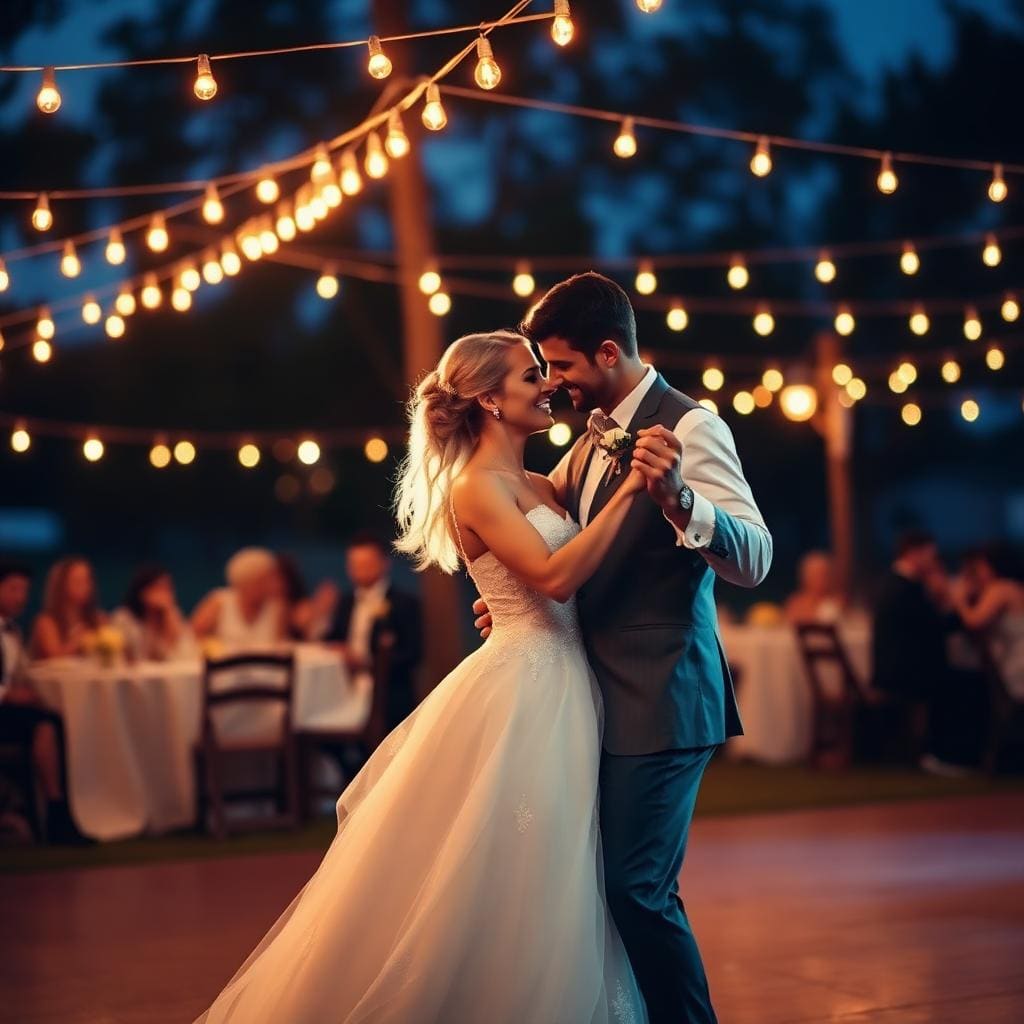 Wedding
Best Salsa Wedding Songs
Romantic salsa songs for your first dance, father-daughter dance or reception floor, from slow salsa romántica to crowd-favorite hits everyone knows.
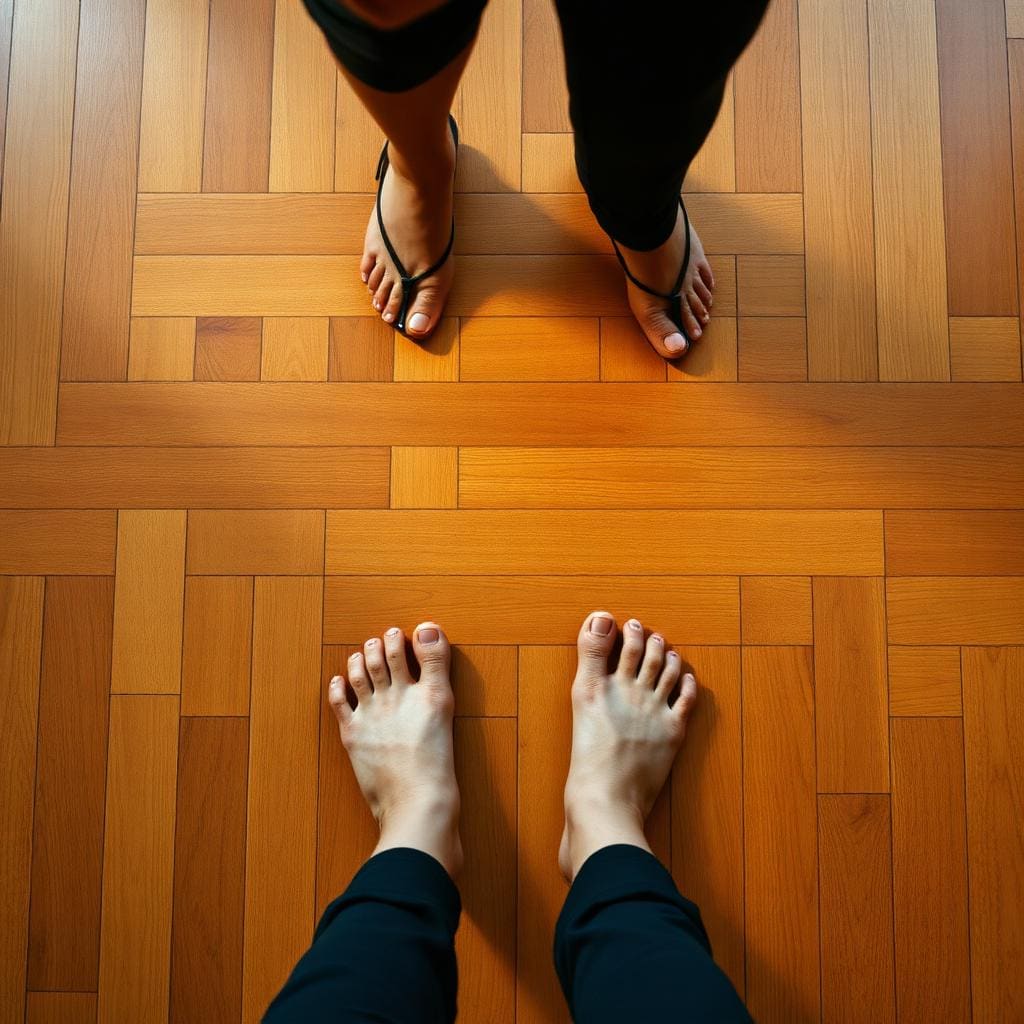 Technique
What Are the Salsa Steps?
A plain-English breakdown of the salsa basic step, side basic, cross-body lead, right turn and the first three turn patterns every beginner should know.