Where Did Salsa Come From?
Salsa was born in 1970s New York, fused from Cuban son, mambo, cha-cha and Puerto Rican bomba by the Fania All-Stars. Here is the full story.
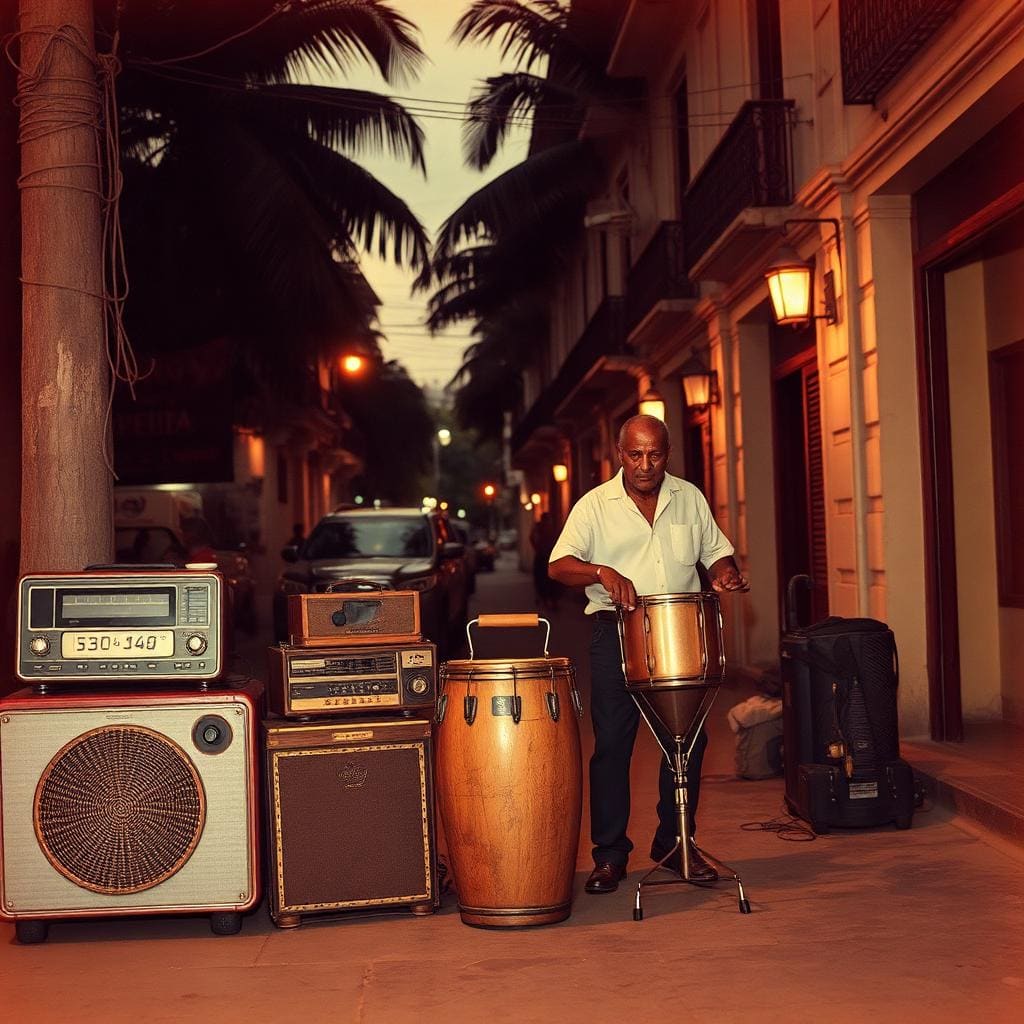
"Salsa" is younger than most people think. The word did not describe a genre until the late 1960s, and the sound as we know it was invented in the Nuyorican neighborhoods of the South Bronx and Spanish Harlem. Here is the short version.
1920s–1940s — The Cuban root: son
The DNA of salsa is Cuban son, a fusion of Spanish guitar and African percussion born in Oriente province and codified in Havana in the 1920s. Add the New York mambo craze led by Machito, Tito Puente and Tito Rodríguez in the 1940s–50s and you have the direct musical parents of salsa.
1960s — The New York fusion
Puerto Rican and Cuban musicians in New York were mixing son, mambo, cha-cha, guaracha and Puerto Rican bomba and plena. They needed a name for the sound. Radio DJs and record labels started calling it salsa — literally "sauce" — because it was a spicy blend of everything.
1970s — Fania Records and the global boom
Fania Records, founded by Johnny Pacheco and Jerry Masucci, packaged the sound and exported it worldwide. The Fania All-Stars — Héctor Lavoe, Willie Colón, Rubén Blades, Celia Cruz, Ray Barretto — played to sold-out stadiums from Yankee Stadium to Kinshasa. This is the "golden age" every serious salsero references.
1980s–90s — Salsa romántica and regional splits
Colombia and Puerto Rico produced their own scenes; the 1980s gave us the softer, radio-friendly salsa romántica of Eddie Santiago, Frankie Ruiz and Marc Anthony. Meanwhile Eddie Torres codified New York On2 salsa dancing, and Los Angeles crews built LA-style On1.
Today — A global partner dance
Salsa is now danced in every major city in the world with weekly socials, congresses and world championships. From Havana to Las Vegas, the same basic step still gets you on the floor.
Ready to be part of the story? Book a Salsa Level 1 class and dance the history yourself.
More salsa reading
- Style GuideLA vs NY vs Cuban SalsaLA-style is On1 and flashy. NY-style is On2 and smooth. Cuban is circular and playful. Here is exactly how the three main styles of salsa differ.
- Music21 Most Popular Salsa SongsThe most-requested salsa songs on the social dance floor in 2026, from Héctor Lavoe and Celia Cruz classics through Marc Anthony and Grupo Niche to Cuban timba.