Where Did Latin Dance Come From?
The origin story of Latin partner dance — Cuban son, Dominican bachata, Puerto Rican bomba, and the New York fusion that gave the world salsa.
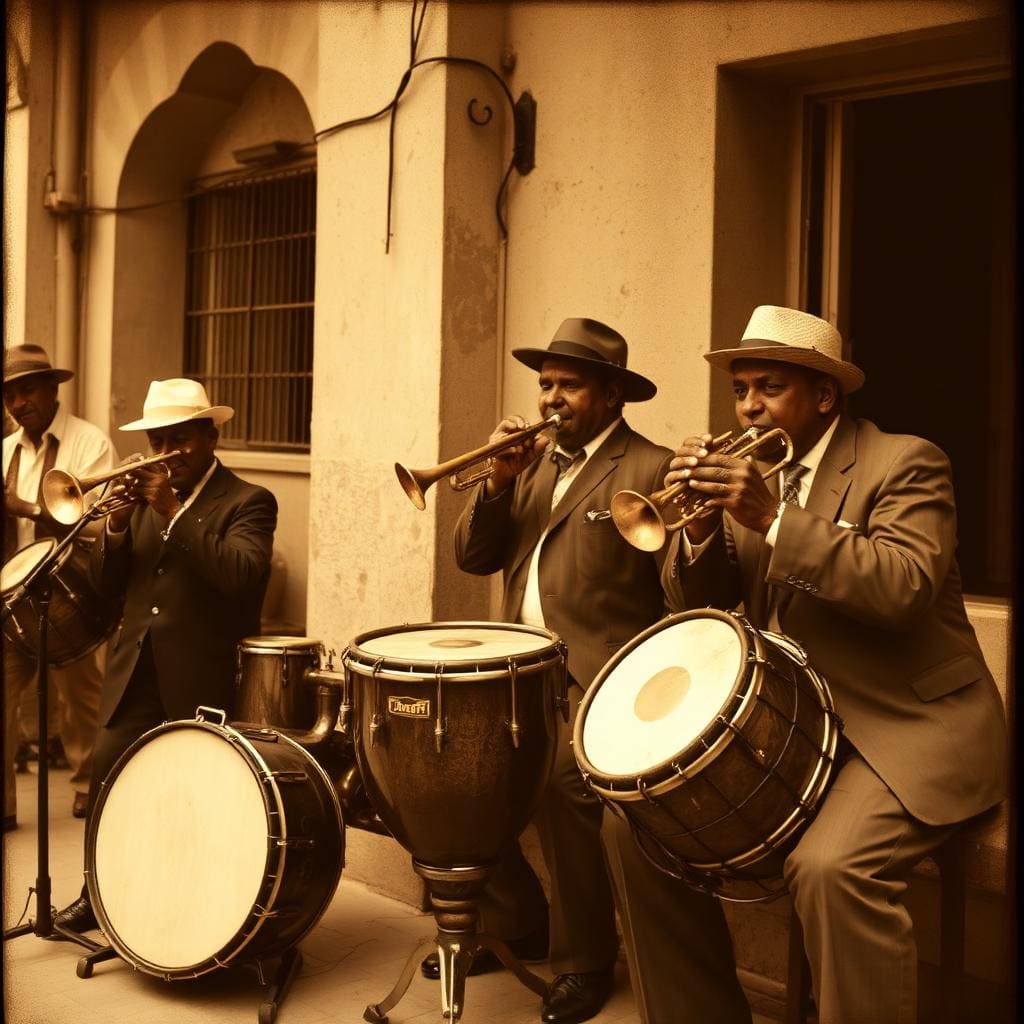
"Latin dance" is a category built out of hundreds of years of migration, colonization and cultural exchange across the Caribbean, Latin America and the United States. Here is the short version — the one every beginner should know before their first class.
The African-Spanish foundation (1500s–1800s)
Every Latin dance you hear today is built on a fusion of Spanish guitar and melody with West African polyrhythm and percussion. Enslaved Africans and Spanish colonists in Cuba, the Dominican Republic and Puerto Rico blended their music in the plantations and cabildos of the 17th–19th centuries. Out of this came son cubano, danzón, bomba, plena and eventually merengue.
Cuba — the birthplace of son and mambo (1920s–50s)
Cuban son, born in Oriente province and codified in Havana, is the direct musical parent of salsa. In the 1940s and 50s, mambo giants Machito, Tito Puente and Tito Rodríguez brought the sound to New York's Palladium Ballroom and turned it into a global craze.
Dominican Republic — the roots of bachata and merengue
Merengue became the national dance of the Dominican Republic in the mid-1800s. Bachata was born in the same island in the 1960s in the barrios and countryside — first ignored by the elite as "amargue" (bitter music), then legitimized by Juan Luis Guerra in the late 1980s.
New York — the salsa fusion (1960s–70s)
Puerto Rican and Cuban musicians in the Bronx and Spanish Harlem fused son, mambo, cha cha, guaracha and bomba into a new sound. Radio DJs and Fania Records started calling it salsa — "sauce" — because it was a spicy blend of everything. The Fania All-Stars exported the sound worldwide.
Today — a global partner dance
Salsa, bachata, merengue and cha cha are now danced in every major city in the world. Congresses, world championships and weekly socials keep the tradition alive. In Las Vegas, that tradition lives on our floor every night.
Ready to dance the history yourself? Book Intro to Latin Rhythms.
More Latin dance reading
- Style GuideSalsa vs Bachata vs Merengue vs Cha ChaThe four core Latin dances compared side by side — tempo, count, feel, and which one is easiest to start with. A cheat sheet for total beginners.
- Music25 Most Popular Latin Dance SongsSalsa, bachata, merengue and reggaeton: 25 Latin dance songs dancers actually use, each with a short note, plus a free Spotify playlist.