Where Did Bachata Come From?
Bachata was born in the rural Dominican Republic in the 1960s, banned by the government, revived by Juan Luis Guerra, and named UNESCO heritage in 2019. Full history.
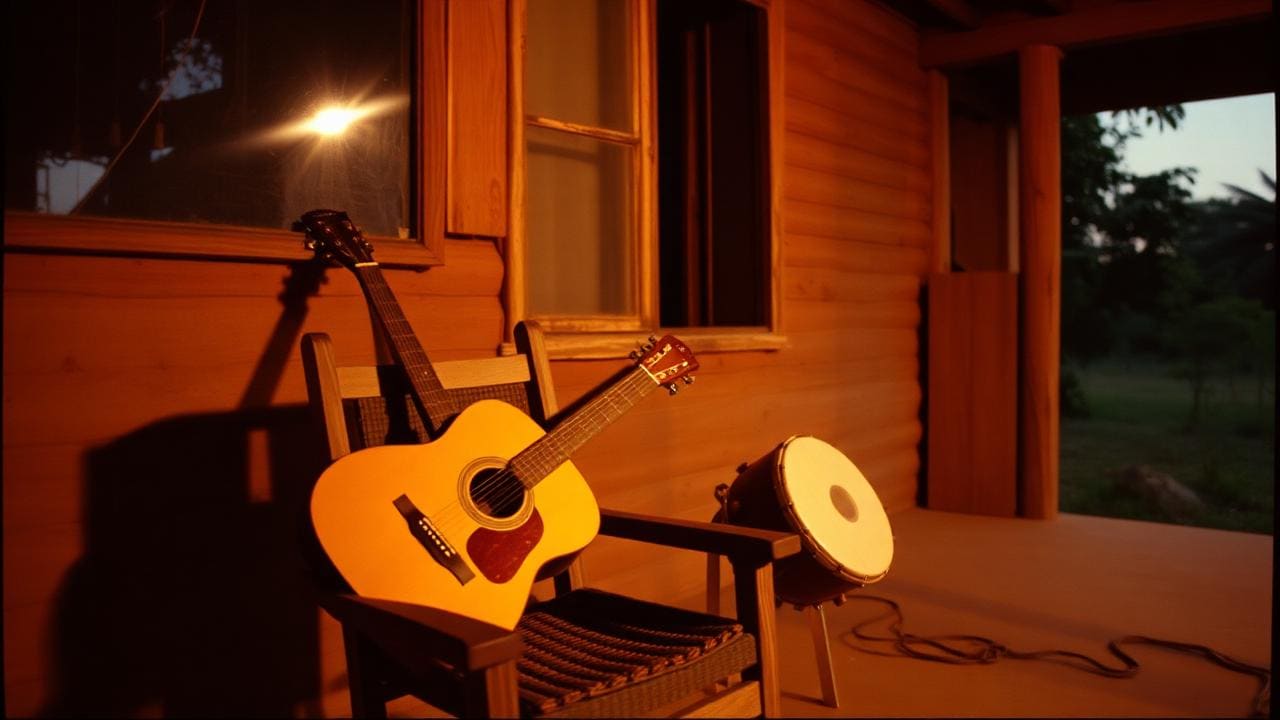
Bachata is one of the youngest — and most politically charged — genres in Latin music. In sixty years it went from being banned on Dominican radio to being celebrated by UNESCO as part of humanity's Intangible Cultural Heritage. Here is the short version.
1960s — Born in the barrios
After the assassination of dictator Rafael Trujillo in 1961, guitars quietly returned to the poorer neighborhoods and countryside of the Dominican Republic. Musicians like José Manuel Calderón began recording sad, heartfelt guitar songs about lost love, cheating partners, and rural life. The sound was originally called bolero campesino or, dismissively, música de amargue — "bitterness music."
1970s–80s — Banned and dismissed
Dominican elites considered bachata vulgar and refused to play it on major radio stations. It survived in cantinas, brothels, and rural gatherings. This period gave us the raw, iconic sound of Antony Santos, Luis Vargas, and Blas Durán.
1990s — Juan Luis Guerra changes everything
In 1990 Juan Luis Guerra released the album Bachata Rosa. It won a Grammy, sold millions, and made bachata respectable overnight. Suddenly middle-class Dominicans, then all of Latin America, embraced the genre.
2000s — Aventura and the global boom
A group of Dominican-American teenagers from the Bronx called Aventura fused bachata with R&B and hip-hop. Songs like "Obsesión" became global hits, and modern urban bachata was born. Around the same time, dancers in Spain developed sensual bachata.
2019 — UNESCO recognition
On December 11, 2019, UNESCO inscribed bachata music and dance on its Representative List of the Intangible Cultural Heritage of Humanity. Sixty years after being called vulgar, bachata was officially a treasure of humanity.
Ready to be part of the story? Book a Bachata Level 1 class and dance the history yourself.
More bachata reading
- Style GuideTraditional (Dominican) vs Sensual BachataTraditional Dominican bachata is fast, footwork-heavy and playful. Sensual bachata is slow, body-led and modern. Here is exactly how the two styles differ.
- Music20 Most Popular Bachata SongsThe most-requested bachata songs on the social dance floor in 2026 — from Aventura and Romeo Santos classics to Prince Royce, Daniel Santacruz and today's hits.
- PlaylistThe Ultimate Bachata Music PlaylistA curated 2-hour bachata playlist for practice, social dancing or setting the mood — mixing modern hits, sensual anthems and traditional Dominican classics.