Traditional (Dominican) vs Sensual Bachata
Traditional Dominican bachata is fast, footwork-heavy and playful. Sensual bachata is slow, body-led and modern. Here is exactly how the two styles differ.
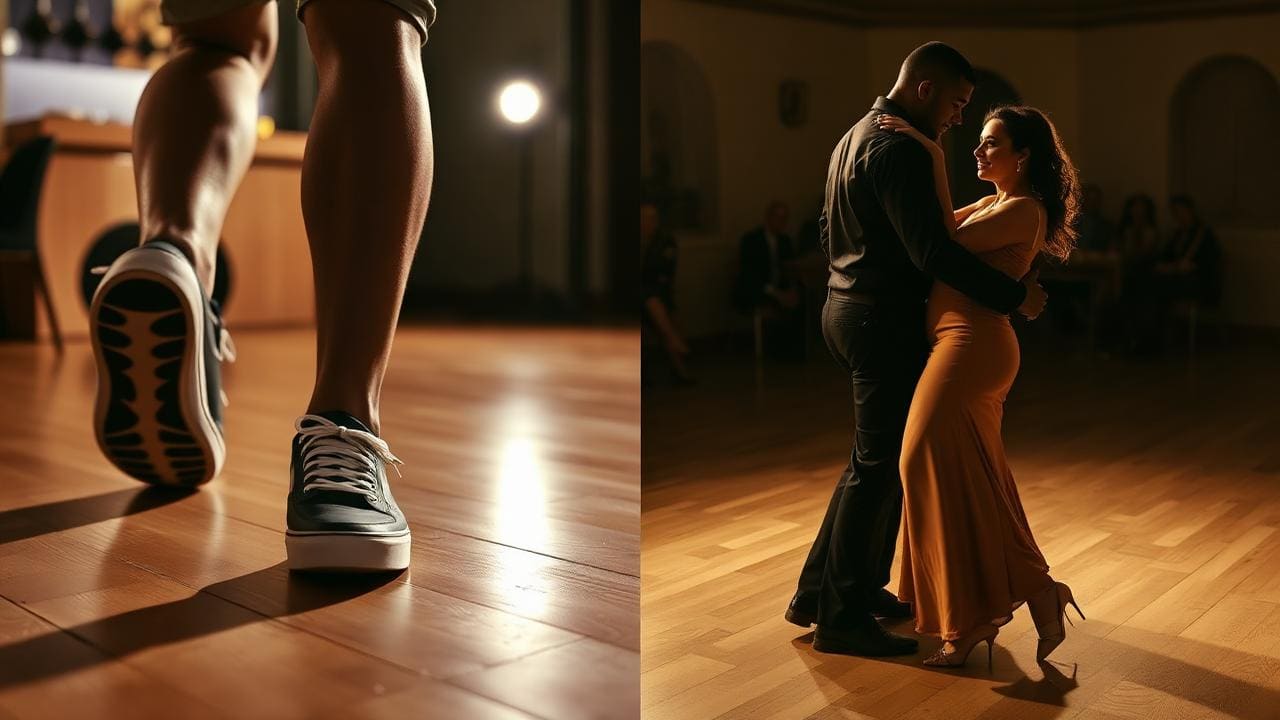
Walk into any Latin social night and you will hear the same question from new dancers: "Wait, why does that couple look completely different from that other couple — aren't they both dancing bachata?" Yes, they are. And no, they are not dancing the same style. The two dominant flavors of modern bachata are Dominican (traditional) and Sensual (modern), and they feel like two different dances.
Dominican bachata — the original
This is bachata as it was born in the Dominican Republic in the 1960s. It is fast, playful, and footwork-driven. Partners stay in an open frame, hips bounce sharply on the 4 and 8, and the leader spins the follower into quick, improvised footwork breaks. Think of it as jazz for your feet — improvisation is the whole point.
- Tempo: Fast (120-140 BPM)
- Frame: Open, hands often free
- Vibe: Fun, cheeky, social
- Music: Aventura's older cuts, Antony Santos, Luis Vargas
Sensual bachata — the modern evolution
Sensual bachata was created in Cádiz, Spain in the early 2000s by Korke and Judith. It borrows from tango and zouk to create a slow, body-led style built around body waves, isolations, and long dips. Partners stay in a close frame the whole song.
- Tempo: Slow to mid (100-120 BPM)
- Frame: Close, connected torso
- Vibe: Romantic, cinematic, expressive
- Music: Daniel Santacruz, Bachata Heightz, Grupo Extra
Which should you learn first?
Most Las Vegas studios (including ours) teach a hybrid modern bachata that pulls the footwork foundations from Dominican and the flow from sensual. Start there in Bachata Level 1, then specialize once you know the basic. If you love footwork, book a private in Dominican bachata private lesson. If you love flow, go a sensual-style private.
Further reading: The full history of bachata and popular bachata songs for both styles.
Frequently Asked Questions
Is traditional or sensual bachata easier for beginners?
Traditional Dominican bachata is easier to start with because the footwork is visible and countable, so a beginner can watch a step and copy it. Sensual bachata relies on body isolations and a close connection with your partner, which most dancers find harder to learn before they've built basic bachata timing.
Which style does My Roots teach in Bachata Level 1?
Bachata Level 1 teaches a modern hybrid: the footwork foundations from traditional Dominican bachata plus the flow and connection from sensual. That base transfers to either style once you specialize.
Is traditional bachata the 'real' bachata?
Traditional Dominican bachata is the original — it's what the genre sounded and looked like in the Dominican Republic starting in the 1960s. Sensual bachata is a later evolution created in Spain in the early 2000s. Both are legitimate, widely danced styles today; neither is more "correct."
Can you mix traditional and sensual bachata on the same song?
Yes — many social dancers blend footwork breaks from traditional bachata with body-led moves from sensual, especially on songs with both a fast section and a slow build. It's common at Las Vegas socials once dancers know both styles.
More bachata reading
- HistoryWhere Did Bachata Come From?Bachata was born in the rural Dominican Republic in the 1960s, banned by the government, revived by Juan Luis Guerra, and named UNESCO heritage in 2019. Full history.
- TechniqueWhat Are the Bachata Steps?A plain-English breakdown of the bachata basic step, side basic, box step, hip motion and the first three turn patterns every beginner should know.
- Music20 Most Popular Bachata SongsThe most-requested bachata songs on the social dance floor in 2026 — from Aventura and Romeo Santos classics to Prince Royce, Daniel Santacruz and today's hits.